
Project Designing
Build a film venture from the ground up.
A starting point for new entertainment investors who want to understand how a production comes together.
Explore Project Designing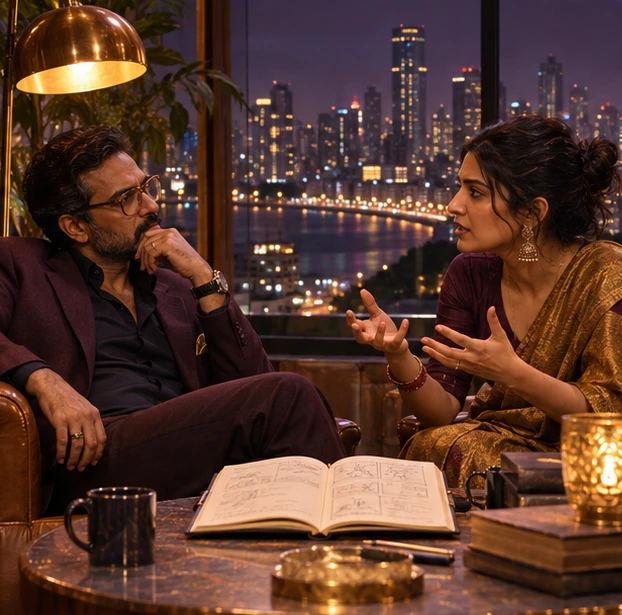
Project and audience discovery
Discuss the kind of film or series you want to make, the audience it is for, and why the story matters. Document the premise, genre, format and intended language.
Creative scope and format
Compare the implications of a feature, short film or series for story structure, running time and production scale. Identify what needs to be developed before choosing a format.
Starting materials and rights
Review the logline, draft or existing source material. Record what is available, who controls the underlying material, and which rights questions need to be resolved before adaptation.
Development priorities
Identify the first decisions, key dependencies and a practical sequence for development. Define what a useful first milestone looks like, such as a treatment or completed draft.
Build the Package
Prepare a clear creative and production package to discuss with collaborators.
Talk To Our Team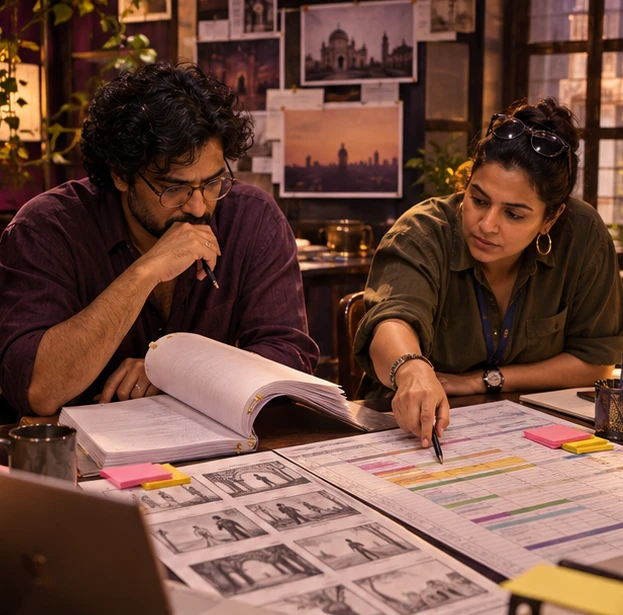
Story and script package
Bring together the logline, synopsis, treatment and character notes. Identify the draft status and what writing or research is needed to make the package coherent.
Visual treatment and pitch materials
Set out the tone, visual references, intended audience and format. Assemble a pitch deck that communicates the project’s creative direction and what collaborators are being asked to consider.
Budget range and schedule assumptions
Break the creative brief into key cost drivers and schedule needs. Document assumptions about cast, locations, crew, equipment and post-production so they can be reviewed as the scope develops.
Production plan and deliverables
Map the path from development through filming, editing and delivery. Identify intended masters, language versions and promotional assets, along with decisions still open.
Assemble the Team
Match the project’s needs to the people who can carry it forward.
Talk To Our Team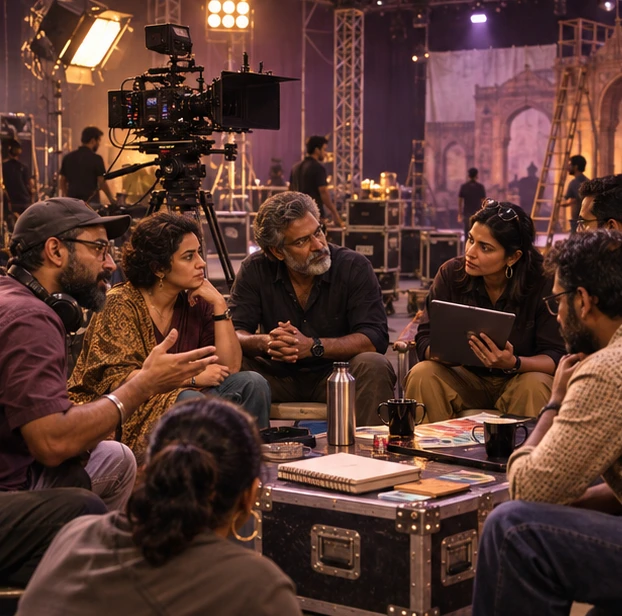
Department and role mapping
Identify the creative and operational leads needed for the project’s scale and format. Define responsibilities for direction, production, camera, sound, art and post-production.
Creative collaborator selection
Develop briefs for writers, directors, producers or department leads where needed. Compare relevant work, availability and fit with the project’s creative direction.
Crew and production partnerships
Identify where specialist crew, equipment teams, facilities or local production partners are needed. Sequence outreach around shoot locations, preparation and target dates.
Team alignment and handover
Agree who owns key decisions, how the departments share information and when work passes between teams. Use a kickoff brief to align milestones, review points and delivery responsibilities.